Why Do Adults Develop Acne After Their Teenage Years?
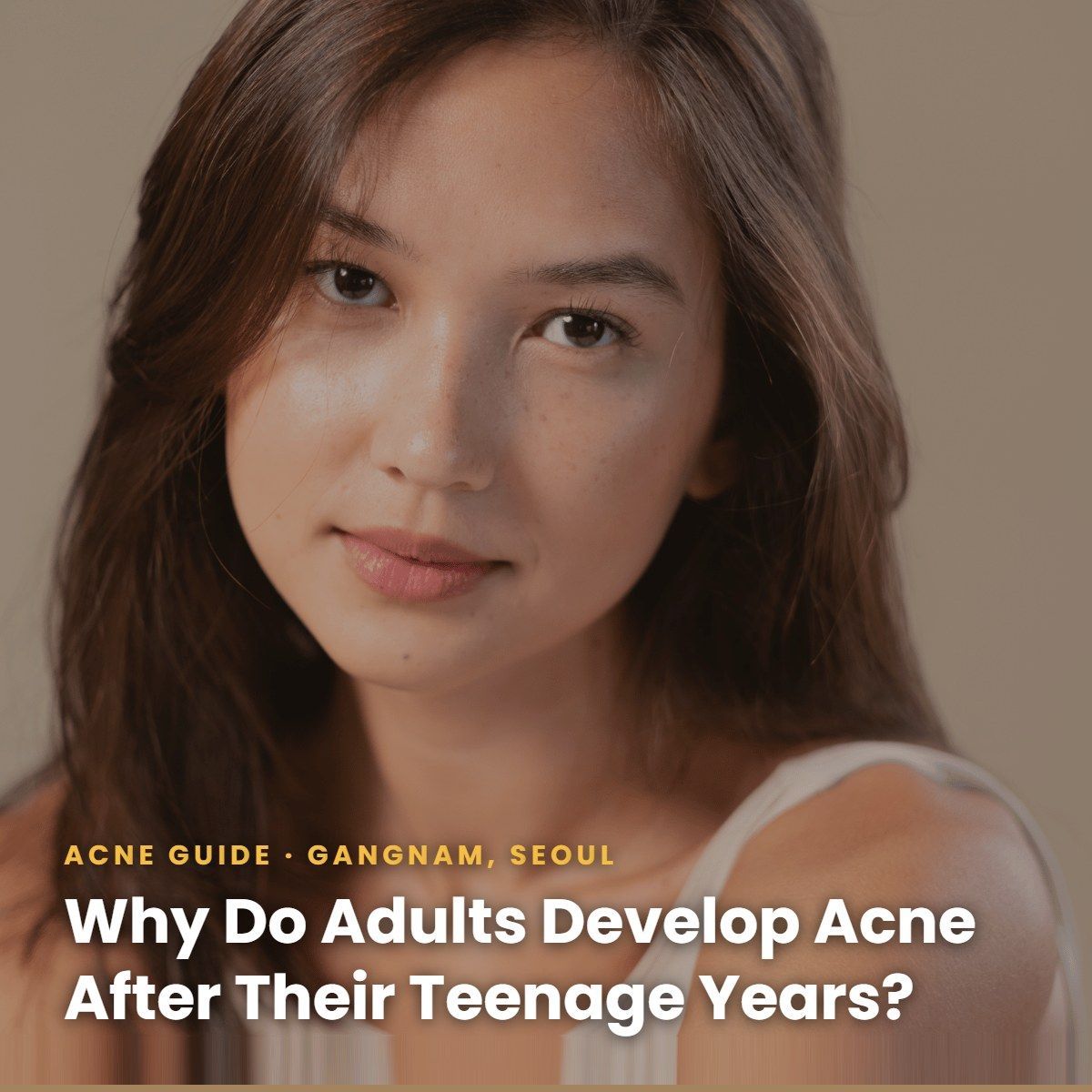
Adult acne is common, especially in women. It can be persistent acne that never fully stopped after the teens or late-onset acne that starts after 25. Hormonal shifts, stress, genetics, skincare and makeup that clog pores, and some medicines are the usual drivers. Adult skin is often more sensitive and more prone to marks, so treatment needs to balance clearing spots with protecting the skin barrier.
Acne Is Not Only a Teenage Problem
Many people expect acne to disappear once they leave school. For a large number of adults, it does not. Studies in several countries have found that a significant share of adults, and particularly women in their twenties, thirties and forties, still have breakouts. Some never stopped having acne after adolescence; others develop it for the first time in adulthood. Adult acne can feel especially frustrating because it often appears alongside the first signs of ageing, such as fine lines and uneven tone, and people do not know how to treat both at once.
Two Patterns of Adult Acne
| Pattern | What it means | Typical features |
|---|---|---|
| Persistent acne | Acne that continued from the teenage years | Often mixed blackheads and red spots across the face |
| Late-onset acne | Acne that starts after about age 25 | Often deeper, tender spots on the lower face |
Both patterns are real acne and respond to treatment. Knowing which one you have helps the doctor look for triggers.
How Adult Acne Differs From Teenage Acne
Teenage acne often involves many blackheads and whiteheads on oily skin across the forehead, nose and cheeks. Adult acne, especially in women, more often shows fewer blackheads and more red, tender or deep spots that tend to cluster on the lower face. Adult skin is usually less oily and more sensitive, so strong teenage acne products can cause dryness and irritation. It also heals more slowly and is more likely to leave dark marks. These differences mean adults usually need a gentler, more targeted approach.
Hormonal Shifts Remain a Major Driver
Changes in hormone levels can increase oil production and inflammation at any age. Many women notice flares before periods, after stopping or changing hormonal contraception, during pregnancy and around perimenopause. Conditions such as polycystic ovary syndrome are associated with persistent adult acne, sometimes alongside irregular periods or excess hair growth. Men can also have adult acne, often linked to naturally higher androgen levels or to supplements and anabolic products. Our article on hormonal acne explains these triggers in more detail.
Stress and Busy Lives Play a Part
Adult life often brings long working hours, travel, irregular sleep and ongoing stress. Stress hormones can stimulate oil glands and inflammation, and poor sleep may make the effect stronger. Many adults notice breakouts during demanding periods at work or after long trips. Stress is rarely the only cause, but managing it, along with sleep, can make other treatments work better.
Adult acne often comes from several small triggers adding up, not one big cause.
Skincare and Makeup Can Be Hidden Triggers
Adults often use more products than teenagers: rich anti-ageing creams, facial oils, primers, foundations and sunscreens. Some of these can clog pores. Layering many actives can also irritate skin and trigger inflammatory breakouts. On the other hand, removing makeup too harshly or over-exfoliating damages the barrier. A simpler routine with non-comedogenic products often reduces breakouts noticeably.
- Check heavy creams and oils used on breakout areas.
- Choose lightweight, non-comedogenic sunscreen and makeup.
- Remove makeup gently but completely every night.
- Introduce new products one at a time.
Genetics and Family History Matter
Adult acne is more likely if close family members had acne as adults. Genetics influence oil production, how pores shed and how strongly skin reacts to bacteria. A family history does not mean treatment will fail, but it may mean acne needs longer maintenance treatment to stay under control.
Medicines and Supplements Can Contribute
Some medicines can trigger or worsen acne in adults, including corticosteroids, certain hormonal treatments, some anti-seizure medicines and lithium. Supplements such as high-dose vitamin B12 and whey protein have been linked to breakouts in some people. If acne began after starting something new, tell the doctor. Never stop a prescribed medicine on your own.
Adult Acne Needs Both Clearing and Protecting
Because adult skin is more sensitive and marks easily, treatment aims to clear spots without stripping the skin. Doctors often combine gentle topical treatments, such as retinoids or azelaic acid, with in-clinic options such as peels or light and laser treatments for active acne. In women with hormonal patterns, oral hormonal treatments may be discussed with the appropriate specialist. For severe or scarring acne, oral isotretinoin may be considered with careful monitoring. Treating marks and scars usually comes after active acne is controlled.
| Goal | Approaches often considered |
|---|---|
| Reduce new spots | Topical retinoids, azelaic acid, salicylic acid |
| Calm inflammation faster | Medical peels, light or laser acne treatments |
| Address hormonal patterns | Oral treatments discussed with your doctor |
| Fade marks and scars | Laser toning, RF microneedling, after acne is controlled |
You can read about our in-clinic options on the acne treatments page.
Combining Acne Care With Anti-Ageing Goals
Many adults want to treat breakouts and early ageing together. Some ingredients, such as retinoids, help both. However, heavy anti-ageing creams and some cosmetic procedures can trigger breakouts or irritate inflamed skin. Doctors usually control active acne first, then add treatments for lines, firmness or tone. With careful planning, both goals can be met.
Patience Is Part of the Treatment
Adult acne usually improves over weeks to months rather than days. New spots form inside the pore several weeks before they appear, so most treatments need at least six to twelve weeks before their full effect shows. Some, such as retinoids, can cause mild dryness or a short flare at first. Many adults give up too early and switch to a new product, which restarts the clock. Sticking with one well-chosen plan, and taking photos every few weeks in the same light, makes it easier to see real progress.
Travelling With Adult Acne
Business trips and holidays often bring the exact triggers adult acne responds to: disrupted sleep, stress, new climates, rich food, alcohol and hotel toiletries. Pack your usual cleanser, moisturiser, sunscreen and treatment products in hand luggage, and avoid trying many new skincare products during the trip. If you plan cosmetic treatments in Seoul, tell the doctor about any active breakouts, because some procedures should wait until inflamed spots have settled, while others can actually help calm them.
When to See a Dermatologist
See a doctor if adult acne is painful, deep, leaving scars or dark marks, or if it has not improved after two to three months of consistent over-the-counter care. Also seek advice if acne comes with irregular periods, excess hair growth or sudden changes in weight, as these can point to hormonal conditions worth checking. A doctor consultation can help sort out the triggers and plan treatment.
Say this at your consultation
"I never had acne as a teenager, but it started at 30."
"My spots are deep and sore, mostly on my chin."
"I want to treat acne and fine lines at the same time."
Frequently Asked Questions
Is adult acne more common in women?
Yes. Adult acne is reported more often in women, partly because of hormonal changes across the menstrual cycle and life stages.
Can adult acne go away on its own?
Sometimes, but it often persists for years. Treatment controls breakouts and reduces the risk of marks.
Are teenage acne products right for adults?
Not always. Adult skin is often drier and more sensitive, so gentler products usually work better.
Can men get late-onset acne?
Yes, though it is less common. Supplements, stress and products are frequent triggers.
Can I have Botox or fillers if I have adult acne?
Often yes, if injection areas are free of active inflamed spots. The doctor will check your skin first.
Will acne treatment make me look older?
No. Some acne treatments, such as retinoids, also help with fine lines and texture.
Dealing With Acne as an Adult?
Send us photos and your current routine. Our English-speaking team will help you prepare for a dermatology consultation.
Book Your ConsultationReferences
- American Academy of Dermatology — adult acne patient information.
- Journal of the American Academy of Dermatology — epidemiology of acne in adult women.
- British Association of Dermatologists — acne in adults.
This guide was prepared and reviewed by our clinical team using publicly available dermatology information. It is general information, not medical advice.