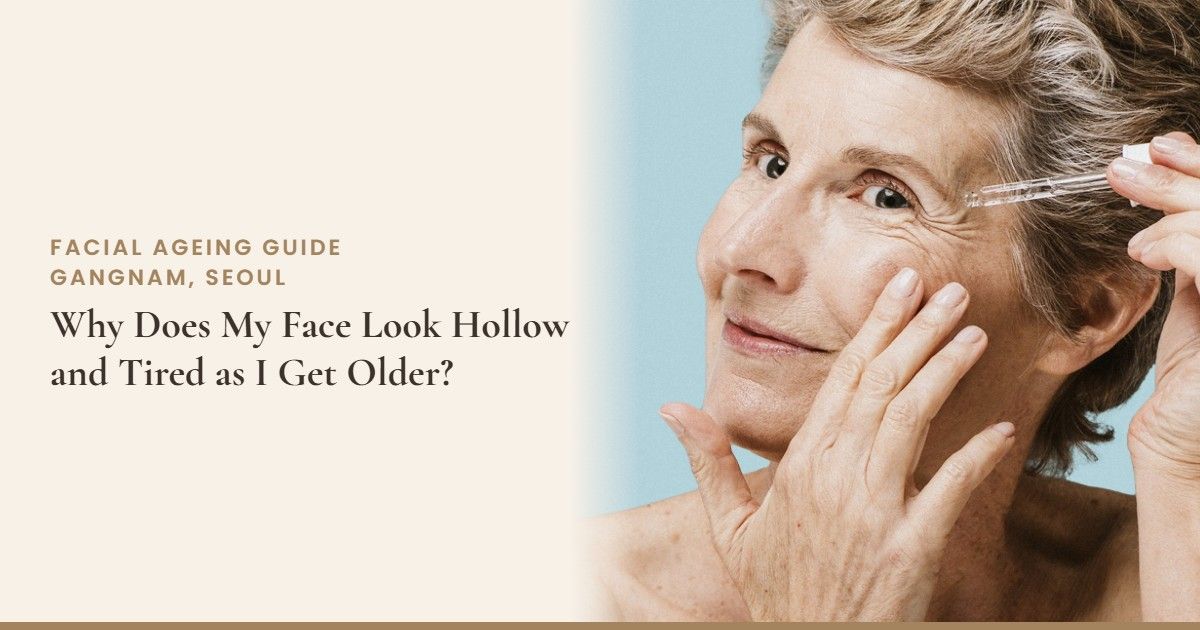
What Are Expression Lines and How Do They Develop?

Expression lines are wrinkles that form where facial muscles repeatedly fold the skin, such as forehead lines, frown lines between the brows and crow's feet. They start as dynamic lines that appear only when you move, then become static lines visible at rest as collagen declines and sun damage thins the skin. Treating them early, while they are still mostly dynamic, usually gives the smoothest result.
Movement Leaves Its Mark
Every time you smile, frown, raise your eyebrows or squint, small muscles under the skin contract and fold it. In young skin, which is thick and elastic, the folds disappear as soon as the muscle relaxes. Over years and millions of repetitions, combined with natural ageing, the skin loses some ability to bounce back. Creases begin to linger after the movement stops, and eventually they become permanent lines. This is why expression lines appear in predictable places that match the muscles you use most.
Dynamic and Static Lines
| Dynamic lines | Static lines | |
|---|---|---|
| When visible | Only during expression | Also at rest |
| Main cause | Muscle contraction | Muscle movement plus collagen loss |
| Typical age | Twenties and thirties | Often from the late thirties |
| Response to muscle relaxation | Usually very good | Partial; may need other treatments |
Many people have lines in between, which show faintly at rest and deepen strongly with movement. Recognising the stage helps choose the right approach.
Common Expression Lines and Their Muscles
| Line | Where | Muscle and movement |
|---|---|---|
| Forehead lines | Horizontal lines across the forehead | Frontalis, raising eyebrows |
| Frown lines | Vertical lines between the brows | Corrugator and procerus, frowning or concentrating |
| Bunny lines | Diagonal lines on the sides of the nose | Nasalis, scrunching the nose |
| Crow's feet | Lines fanning out from the eye corners | Orbicularis oculi, smiling and squinting |
| Lip lines | Vertical lines above the upper lip | Orbicularis oris, pursing |
| Chin dimpling | Pebbly texture on the chin | Mentalis, straining the chin |
Why Some People Get Them Earlier
Expression lines appear at different ages for different people. Those who are very expressive, frown when concentrating, squint without sunglasses or raise their eyebrows when talking may notice lines earlier. Skin type matters too: thinner, drier and lighter skin tends to show lines sooner than thicker, oilier skin. Genetics play a role in skin thickness and muscle strength. Lifestyle factors such as sun exposure and smoking speed up the shift from dynamic to static lines.
Sun Damage Deepens Lines
Ultraviolet light breaks down collagen and elastin, the proteins that let skin spring back after folding. Sun-damaged skin is thinner and less elastic, so creases set in faster and become deeper. Crow's feet are particularly affected because the skin around the eyes is thin and frequently exposed. Squinting in bright light also adds repeated folding. Daily sunscreen and sunglasses reduce both problems at once.
Muscles draw the line; sun damage and collagen loss decide how deeply it sets.
Sleep Lines Are Different
Some lines are caused not by muscle movement but by pressure from sleeping on one side or on your front. These sleep lines often run vertically or diagonally on the forehead, cheeks or chest and do not match the direction of expression lines. They respond less to muscle-relaxing treatments. Sleeping on your back, using a smooth pillowcase and supporting skin quality can help.
Expression Lines Tell a Story
Not every line needs to be removed. Many people like the soft crow's feet that show when they laugh, because they make the face look warm and friendly. Problems usually arise when lines suggest an emotion you do not feel, such as deep frown lines that make you look angry or worried at rest, or forehead lines that make you look surprised or tired. Deciding which lines bother you, and why, helps keep treatment focused. A good plan softens the lines that send the wrong message while keeping the ones that reflect your natural expressions.
How Each Area Ages Differently
Forehead lines are influenced by the frontalis muscle, which also lifts the brows. In people with heavy eyelids or low brows, this muscle often works harder all day to keep the eyes open, deepening the lines. Relaxing it too much can make the brows drop, so the forehead needs careful dosing. Frown lines between the brows are often the first to become static, because many people frown when concentrating at screens. Crow's feet depend on how strongly you smile and squint, and the thin skin around the eyes makes them set early. Lines around the mouth involve many small muscles used for speaking and eating, so treatment there uses very small doses and often relies more on fillers and skin quality.
Lifestyle Habits That Add Folding
- Squinting at screens with poor lighting or the wrong glasses prescription.
- Frowning while concentrating on work or reading.
- Smoking, which adds lip pursing and damages collagen.
- Sleeping face down, which presses lines into the skin.
- Skipping sunglasses, which leads to constant squinting outdoors.
How Expression Lines Are Treated
The main treatment for dynamic expression lines is botulinum toxin, which temporarily relaxes the specific muscles that fold the skin. With less movement, the skin is folded less and lines soften. For static lines that remain at rest, additional treatments may be needed, such as fine hyaluronic acid fillers placed into the line, skin boosters, collagen-stimulating treatments, RF microneedling or resurfacing lasers. Our Botox for wrinkles page explains the toxin approach, and our wrinkle fillers page covers filler options.
| Line stage | Approaches often considered |
|---|---|
| Dynamic only | Botulinum toxin; sunscreen and retinoid |
| Faint at rest | Toxin plus skin boosters or retinoid |
| Deep static lines | Toxin plus fine filler, RF microneedling or laser |
| Sleep lines | Sleep position changes; skin quality treatments |
Natural Movement Is the Goal
A good expression line treatment softens lines without freezing the face. Doctors adjust doses and injection points to keep some natural movement, especially in the forehead, where too much relaxation can make eyebrows feel heavy. Many people prefer a light approach that lets them still express surprise, concern and joy. Asking for a natural result and starting with a conservative dose is a sensible approach for first-time treatment.
Starting Early: Prevention
Some people in their twenties and early thirties choose small doses of toxin to reduce repeated folding before lines become static. This is sometimes called preventive treatment. Evidence suggests that long-term use can reduce how deeply lines set, though it is not necessary for everyone. Sun protection, a retinoid and not smoking are effective first steps at any age.
- Wear sunscreen every day and sunglasses outdoors.
- Use a retinoid at night if your skin tolerates it.
- Notice habits like frowning at screens and adjust lighting.
- Keep skin hydrated, especially around the eyes.
How Long Results Last
Botulinum toxin usually starts working within a few days, reaches its full effect around two weeks and lasts for a few months, after which muscle movement gradually returns. Fillers for fine lines last several months or longer, depending on the product. Skin quality treatments work gradually and last longer with maintenance. Regular, moderate treatment often keeps lines softer than occasional heavy treatment.
Before Your Consultation
- Take photos at rest and while frowning, smiling and raising your brows.
- Mention any upcoming events, since toxin takes up to two weeks to settle.
- Tell the doctor about previous toxin treatments and how you responded.
- Note any eyelid heaviness or brow asymmetry you already have.
A doctor consultation helps decide which lines to treat and how.
Say this at your consultation
"My frown lines stay even when I relax my face."
"I want to keep natural movement in my forehead."
"This is my first time trying Botox."
Frequently Asked Questions
Can creams remove expression lines?
Retinoids and moisturisers can soften fine lines but cannot stop the muscle movement that creates them.
Will Botox make me look expressionless?
Not with suitable doses. Doctors can adjust treatment to keep natural movement.
Do lines get worse after Botox wears off?
No. Movement returns to how it was before; lines do not worsen because of treatment.
Are men's expression lines treated differently?
Men often have stronger muscles and may need different doses, while keeping a masculine brow shape.
Can I treat lines on a short trip?
Yes. Toxin takes minutes to inject, but plan for up to two weeks before the full effect.
Noticing Lines That Stay?
Send us photos at rest and with expressions. Our English-speaking team will help you prepare for a consultation.
Book Your ConsultationReferences
- American Academy of Dermatology — wrinkles: causes and treatments.
- Dermatologic Surgery — botulinum toxin for upper facial lines.
- Journal of Cosmetic Dermatology — long-term preventive effects of botulinum toxin.
This guide was prepared and reviewed by our clinical team using publicly available dermatology information. It is general information, not medical advice.