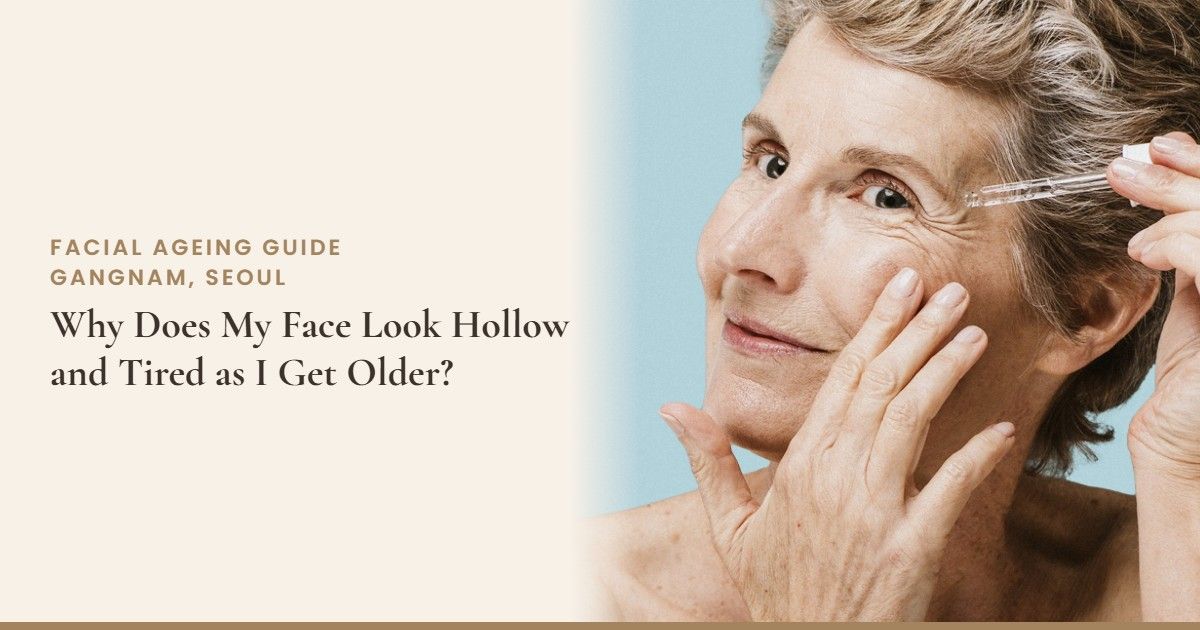
What Causes Facial Skin Laxity and Loss of Firmness?

Facial skin loses firmness because collagen and elastin decline with age, while fat pads shrink and shift, facial bones slowly change shape and the supporting ligaments loosen. Sun exposure, smoking, rapid weight loss and poor sleep speed this up. Laxity is not only a skin problem, so effective treatment often targets more than one layer.
Firmness Comes From Several Layers
When people talk about loose or sagging skin, they often imagine that only the surface has changed. In reality, the firmness of the face depends on several layers working together. The skin itself provides elasticity and thickness. Beneath it, fat pads give volume and support. Ligaments act like anchors that hold tissues to the bone, and the bone forms the frame on which everything rests. With age, each layer changes a little, and together these changes create the look of laxity: softer contours, deeper folds and skin that does not spring back as quickly.
How Each Layer Changes With Age
| Layer | What changes | Visible effect |
|---|---|---|
| Skin | Less collagen and elastin; thinner dermis | Crepey texture, slower bounce-back |
| Fat pads | Shrink in some areas, descend in others | Hollows, heavier lower face |
| Ligaments | Loosen and stretch | Jowls, deeper folds |
| Muscle | Tone and position change | Altered expression lines |
| Bone | Gradual resorption in some areas | Less support for soft tissues |
Collagen and Elastin Decline
Collagen gives skin its strength and thickness, while elastin allows it to stretch and recoil. From early adulthood, the body gradually makes less collagen, and the collagen that remains becomes more fragmented. Elastin fibres also become damaged and less organised. In women, collagen loss speeds up for several years after menopause because of falling oestrogen levels. The result is skin that is thinner, less elastic and more likely to fold and sag under gravity.
Sun Damage Accelerates Laxity
Ultraviolet light is the most important avoidable cause of early skin ageing. It breaks down collagen, damages elastin and triggers enzymes that degrade the skin's support structure. This process, called photoageing, shows as wrinkles, uneven tone and loss of firmness, often years before the same changes appear on protected skin. Comparing the skin on your face with the inside of your upper arm gives a clear picture of how much sun contributes. Daily sunscreen is one of the most effective ways to protect firmness over decades.
Much of what we call facial ageing is really accumulated sun damage.
Fat Pads Shrink and Shift
The face contains separate fat compartments rather than one continuous layer. With age, some compartments, such as those around the temples, under the eyes and in the mid-cheek, lose volume. Others, especially in the lower face, may become heavier or descend. This combination makes the upper face look hollow and the lower face look heavier, which contributes to jowls and a less defined jawline. Because volume loss reduces support from beneath, the skin above appears looser even if its quality has not changed much.
Ligaments and Bone Provide the Frame
Retaining ligaments connect the skin and soft tissue to the underlying bone. Over time they stretch and lose some of their holding strength, allowing tissues to move downwards. At the same time, parts of the facial skeleton, including the eye sockets, the cheekbones and the jaw, gradually lose bone. A smaller frame gives less support to the tissues above it, a bit like a tent with shorter poles. These deep changes explain why some people develop laxity even with relatively good skin quality.
Lifestyle Factors That Speed Up Laxity
- Smoking, which reduces blood flow and damages collagen.
- Rapid or repeated weight loss, which can leave skin stretched with less volume underneath.
- Poor sleep, which may affect skin repair.
- High sugar intake, linked to glycation that stiffens collagen.
- Chronic stress, which can affect skin health and habits.
Genetics and Facial Structure
Some people naturally have thicker skin, stronger bone structure and more stable fat pads, so they show laxity later. Others with thinner skin or a narrower facial frame may notice changes earlier. Ethnic background plays a role too. For example, many East Asian faces show volume and contour changes earlier than deep wrinkling, while lighter skin types often show sun-related wrinkles and thinning sooner. Your genes set the starting point; your habits influence how fast changes progress.
When Laxity Usually Becomes Noticeable
Early signs often appear in the thirties, such as slightly deeper nasolabial folds or skin that takes longer to recover after sleeping on one side. In the forties and fifties, jowls, a softer jawline and neck laxity become more common. Timing varies widely between individuals. Rather than focusing on age, it is more useful to notice which changes bother you and which layer is responsible for them.
Hormones and Life Stages Play a Part
Hormonal changes influence skin firmness, especially in women. Oestrogen helps maintain collagen, skin thickness and moisture. In the years around menopause, collagen can fall noticeably, and many women notice that their skin feels thinner, drier and less springy within a short period. Pregnancy, breastfeeding and significant illness can also affect skin and facial volume temporarily. Men tend to have thicker skin and lose collagen more gradually, which is one reason laxity often appears later in men, although sun exposure and smoking can change this.
Why Some Areas Sag Before Others
Laxity rarely appears evenly across the face. The lower face, jawline and neck often show changes first, because tissues there are heavier, ligaments are under more strain and gravity has a greater effect. The area under the eyes can show early hollowing as fat and bone change. The forehead and upper face may show wrinkles from muscle movement rather than true sagging. Recognising where your changes begin helps the doctor focus treatment on the areas that will make the biggest visible difference.
Signs of Laxity to Look For
- Pinch test Skin that is slow to return when gently pinched.
- Folds Deeper lines from nose to mouth and mouth to chin.
- Jawline Softening or small jowls along the jaw.
- Hollows Flatter cheeks or temples.
- Neck Looser skin and horizontal lines.
How Laxity Is Treated Without Surgery
Non-surgical treatments target different layers. Energy-based devices such as focused ultrasound and radiofrequency heat deeper tissues to tighten and stimulate new collagen. Collagen-stimulating injectables and skin boosters improve skin quality and support. Fillers can replace lost volume in specific areas. Thread lifts can reposition tissues in selected cases. The best results usually come from combining treatments matched to the main causes. Our skin tightening page explains the lifting options in more detail.
| Main cause | Approaches often considered |
|---|---|
| Thin, less elastic skin | RF devices, skin boosters, collagen stimulators |
| Deeper tissue laxity | Focused ultrasound, RF lifting, threads |
| Volume loss | Fillers, collagen-stimulating injectables |
| Sun damage | Sun protection, retinoids, resurfacing |
Prevention Still Matters
Treatments can improve laxity, but prevention protects what you have. Daily sunscreen, not smoking, a stable weight, enough sleep and a consistent skincare routine with retinoids and antioxidants all help slow collagen loss. Starting maintenance treatments earlier, before significant laxity develops, often gives more natural, longer-lasting results than waiting until changes are advanced.
What to Expect at a Consultation
The doctor will examine your face at rest and in motion, check skin thickness and elasticity, assess fat pads and bone structure and ask about your goals and downtime limits. They may compare photos from previous years if you bring them. Based on this, they suggest which layers to treat and in what order. A doctor consultation is the right place to discuss a combined plan.
Say this at your consultation
"My skin feels thinner, and my jawline is softer than a few years ago."
"Is this loss of volume or loose skin?"
"I want a natural lift without looking overfilled."
Frequently Asked Questions
Can skincare reverse skin laxity?
Products such as retinoids and sunscreen can improve skin quality and slow changes, but they cannot reverse deeper laxity.
Does facial exercise prevent sagging?
Evidence is limited. Some studies suggest small benefits, but exercise does not address collagen, fat or bone changes.
Does weight loss cause facial sagging?
Rapid or large weight loss can reduce facial volume and make skin look looser.
At what age should I start lifting treatments?
There is no fixed age. Many people start maintenance treatments in their thirties or forties when they notice early changes.
Are results from non-surgical lifting permanent?
No. Ageing continues, so most treatments need maintenance sessions to keep results.
Noticing Loss of Firmness?
Send us photos from the front and sides. Our English-speaking team will help you prepare for a lifting consultation.
Book Your ConsultationReferences
- Plastic and Reconstructive Surgery — facial fat compartments and their changes with age.
- Journal of Investigative Dermatology — collagen loss in intrinsic and photoaged skin.
- American Academy of Dermatology — preventing skin ageing.
This guide was prepared and reviewed by our clinical team using publicly available dermatology information. It is general information, not medical advice.