How Is Persistent Facial Redness and Rosacea Treated?
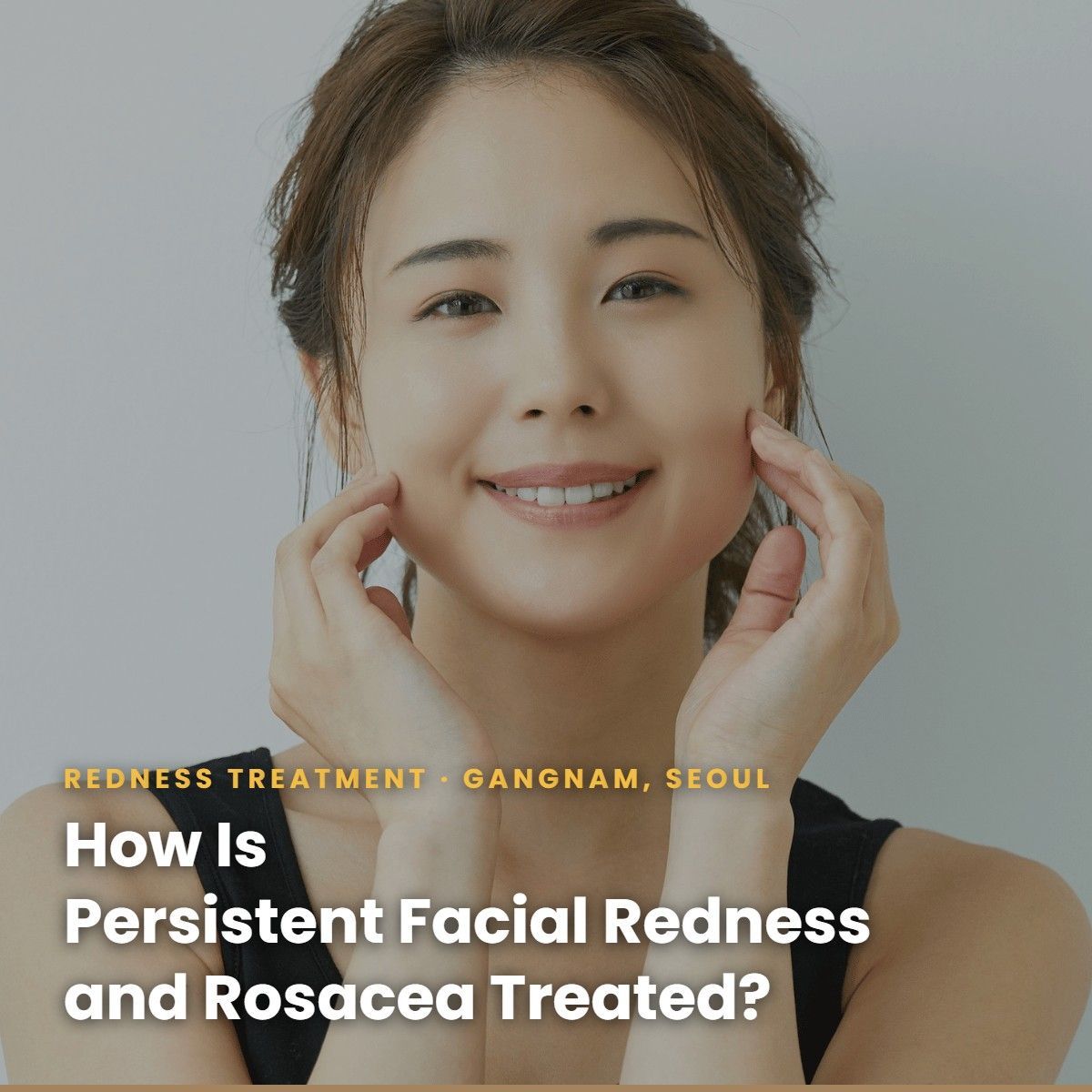
Treatment combines trigger control, gentle skincare and sun protection, prescription creams or tablets for bumps and inflammation, and vascular lasers or IPL to reduce fixed redness and visible vessels. Most people need several laser sessions a few weeks apart. Rosacea cannot be cured permanently, but it can usually be controlled well.
Treatment Depends on What Kind of Redness You Have
Redness from rosacea, visible blood vessels, barrier damage or dermatitis each respond to different approaches. Before any treatment, a dermatologist confirms the cause and looks at which features you have: constant background redness, flushing, visible vessels, red bumps or sensitivity. Most people have a mix, so the best plan usually combines several approaches rather than relying on one device or cream. This is also why results are better when treatment is guided by a doctor rather than chosen from a menu.
The Four Pillars of Redness Treatment
- Trigger control Identify and limit the things that make your skin flush.
- Gentle skincare and sun protection Repair the barrier and prevent sun-related flares.
- Medical treatment Creams or tablets for inflammation and bumps.
- Devices Vascular lasers or IPL for fixed redness and visible vessels.
Trigger Control Is the Foundation
No treatment works as well if triggers keep inflaming the skin. Common triggers include sun, heat, alcohol, spicy food, hot drinks, intense exercise, wind, cold and some skincare ingredients. Not everyone reacts to all of them. Keeping a simple diary of when your face flushes for a couple of weeks usually reveals your personal triggers. You do not have to avoid everything forever, but reducing your main triggers, especially before and after treatment, makes a real difference.
Skincare for Redness Should Be Simple
A gentle routine supports every other treatment. Use a mild, non-foaming cleanser with lukewarm water, a fragrance-free moisturiser and a broad-spectrum sunscreen every day. Mineral sunscreens with zinc oxide are often well tolerated by red, sensitive skin. Avoid scrubs, strong acids, alcohol-based toners and products with fragrance or menthol. Introduce any new product one at a time. Many people see their redness settle noticeably within a few weeks of simplifying their routine.
- Mild cleanser, lukewarm water, pat dry.
- Fragrance-free moisturiser, especially in dry weather.
- Daily sunscreen, reapplied outdoors.
- No scrubs, hot towels or saunas during flares.
Prescription Treatments Calm Inflammation
For rosacea with bumps, burning or frequent flares, doctors often prescribe medical treatment. The choice depends on your symptoms and the medicines available in your country.
| Type | Examples | Mainly helps |
|---|---|---|
| Anti-inflammatory creams | Metronidazole, azelaic acid, ivermectin | Red bumps and inflammation |
| Vessel-narrowing creams | Brimonidine, oxymetazoline | Temporary reduction of redness for hours |
| Oral treatment | Low-dose doxycycline and related medicines | Moderate to severe bumps and flares |
These medicines need a doctor's prescription and follow-up. If you are visiting Seoul briefly, ask whether you can continue the same treatment at home.
Vascular Lasers and IPL Treat Fixed Redness
Creams help inflammation but usually do little for constant background redness and visible vessels. This is where devices help most. Vascular lasers and intense pulsed light (IPL) deliver light that is absorbed by the red pigment in blood. The energy heats and seals small vessels, which then fade over the following weeks. Background redness often improves too. Treatment feels like quick snaps of warmth, and cooling is used to protect the skin throughout.
Creams calm inflammation; lasers reduce the vessels that keep skin red.
You can read more on our IPL and laser treatments pages.
What to Expect From a Series of Sessions
| Stage | What usually happens |
|---|---|
| During treatment | Warm snapping sensations; cooling to protect skin |
| First hours | Temporary extra redness and warmth |
| First days | Mild swelling possible; occasional small bruises with some settings |
| Weeks after | Vessels and redness gradually fade |
| Series | Often several sessions a few weeks apart |
On a short trip, one session can start the improvement, with further sessions on a return visit or with a doctor at home.
Some Treatments Are Better Avoided During Flares
Strong chemical peels, aggressive exfoliation, high-heat resurfacing lasers and harsh microneedling can irritate rosacea-prone skin and trigger flares. That does not mean all advanced treatments are off limits, but timing and settings matter. Doctors usually calm the skin first and choose treatments that reduce redness before considering anything stronger. Steroid creams on the face are generally avoided for rosacea because long-term use can make redness worse.
Combining Treatments Gives the Best Results
Most people with persistent redness do best with a combination: trigger control and gentle skincare every day, a prescription cream for inflammation if needed, and a series of vascular laser or IPL sessions for fixed redness and vessels. Some doctors also use treatments that calm and hydrate the skin. The exact mix depends on your skin, your schedule and how your redness behaves.
Aftercare Protects the Result
After vascular laser or IPL, avoid heat, saunas, intense exercise and alcohol for the period the doctor advises, usually a day or two. Use gentle skincare and sunscreen, and avoid picking or rubbing. If you notice blisters, crusting or darker patches, contact the clinic promptly. Sun protection in the weeks after treatment is especially important to prevent pigment changes.
Maintenance Keeps Redness Under Control
Rosacea is a long-term condition, so results need some maintenance. Many people continue a prescription cream or gentle routine, keep avoiding their main triggers and have occasional top-up laser sessions when new vessels appear. Visible vessels that have been treated usually stay away, but new ones can form over time, especially with sun exposure.
Treating Redness in Medium and Darker Skin
Redness can be harder to see on medium and darker skin, and it may look more brown or purple than pink. Vascular lasers and IPL can still be used, but the doctor chooses settings carefully because skin with more pigment absorbs more light energy, which raises the risk of burns and dark marks. Test spots, lower settings and longer gaps between sessions are common precautions. Sun protection before and after treatment is especially important. Telling the doctor how your skin reacted to past treatments helps them choose safely.
Redness After Acne Is a Separate Problem
Pink or red marks left after acne spots heal are not rosacea, though they can look similar. They come from small vessels that formed during healing and usually fade over weeks to months. Controlling active acne is the first step, because new spots keep creating new marks. If marks persist, vascular lasers can help them fade faster. Picking or squeezing spots makes marks last longer, so leaving them alone is one of the most useful things you can do.
When to See a Doctor Urgently
Seek medical help if redness spreads rapidly with pain, warmth or fever, if your eyes become painful or your vision changes, or if a reaction after treatment worsens instead of settling. These can signal infection or eye involvement that needs prompt care.
Say this at your consultation
"I have constant redness and small vessels on my cheeks."
"My face flushes with wine and spicy food."
"I am in Seoul for a week. Can we start a series and continue at home?"
Frequently Asked Questions
How many laser sessions do I need for redness?
Often several, a few weeks apart. The number depends on how much redness and how many vessels you have.
Is IPL or vascular laser better for redness?
Both can work. The doctor chooses based on your skin type, the size of vessels and the amount of background redness.
Will redness come back after laser?
Treated vessels usually stay away, but new redness can develop over time. Trigger control and sunscreen help keep results.
Can I use makeup after treatment?
Often the next day, if the skin is not broken. Follow the clinic's advice for your treatment.
Does rosacea treatment hurt?
Laser and IPL feel like warm snaps. Cooling makes it comfortable for most people, and numbing is rarely needed.
Ready to Calm Persistent Redness?
Send us photos and your main triggers. Our English-speaking team will explain the options before you book.
Book Your ConsultationReferences
- American Academy of Dermatology — rosacea treatment overview.
- National Rosacea Society — management options and trigger guidance.
- British Journal of Dermatology — evidence review of rosacea treatments.
- Lasers in Surgery and Medicine — vascular laser and IPL for facial erythema.
This guide was prepared and reviewed by our clinical team using publicly available dermatology information. It is general information, not medical advice.