How to Choose a Dermatology Treatment Based on Your Main Skin Concern

Start by naming one main skin concern, then match it to the treatment category built for it: acne control, pigment lasers, resurfacing for scars and texture, boosters for dryness, or tightening for laxity. A doctor's assessment confirms the cause, and your downtime and skin tone narrow the final choice.
Begin With the Concern That Bothers You Most
Most people arrive with a list: a few breakouts, some dark spots, larger pores and early lines. Trying to treat everything at once often leads to a crowded plan, more irritation and unclear results. A better approach is to rank your concerns and choose the one you notice most in the mirror or in photos. That becomes the lead concern, and the first treatment is chosen for it. Secondary concerns can often be addressed by the same treatment or added later. This single decision makes every later choice easier and keeps the plan realistic for a short visit to Seoul.
Match the Concern to a Treatment Category
| Main concern | Treatment category often considered | Examples |
|---|---|---|
| Active acne | Medical acne control | Topicals, oral medicine, Gold PTT, extraction facials |
| Pigment and melasma | Low-energy pigment lasers | Laser toning, pico laser, Dual Toning |
| Redness and visible vessels | Vascular light and lasers | IPL, Nd:YAG settings |
| Acne scars and texture | Resurfacing | Fractional laser, Potenza RF microneedling |
| Dryness and dullness | Hydration and boosters | Skinvive, Rejuran Healer, Aqua Peel |
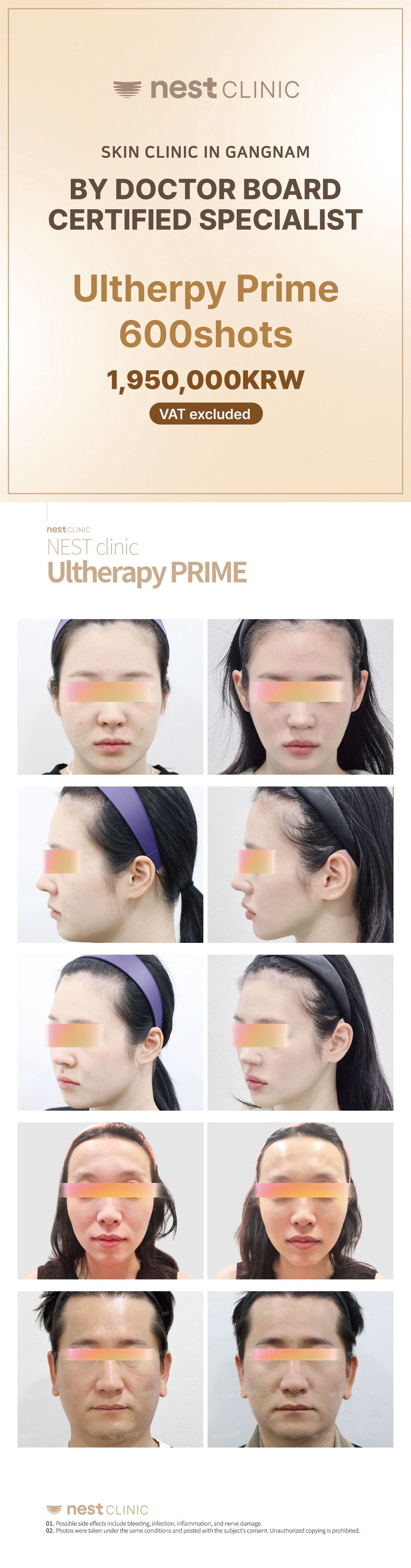
| Sagging and laxity | Tightening | Ultherapy Prime, Thermage FLX, XERF |
| Lines and volume loss | Injectables | Toxin, fillers, biostimulators |
Active Acne Needs Control Before Correction
If breakouts are your main concern, the priority is calming inflammation and preventing new spots. That usually means a medical plan with suitable topicals, sometimes oral medication, and in-clinic treatments that reduce oil and bacteria, such as Gold PTT, which uses gold nanoparticles and laser light to target oil glands. Gentle extraction facials can help clear congestion. Scar treatments are usually postponed until acne is reasonably controlled, because new inflammation can undo the improvement. Some medicines, including isotretinoin, also change which procedures are safe. Our acne treatments page explains the main options.
Pigmentation Depends on the Type
Brown marks are not all the same. Sun spots are well defined and often respond to targeted pico or Q-switched laser shots. Melasma is patchy, hormonally influenced and easily irritated, so it is usually treated with gentle, repeated low-energy laser toning combined with careful skincare and strict sun protection. Post-inflammatory marks from acne often fade with time and mild treatments. Freckles and some birthmarks need different approaches again. Because treating melasma like a sun spot can make it darker, a correct diagnosis matters more here than almost anywhere else. More detail is on our pigmentation treatments page.
The right treatment is usually the one chosen for the cause, not the one chosen for the name.
Redness Has Several Possible Causes
Persistent redness can come from rosacea, broken capillaries, sensitive or over-exfoliated skin, or lingering marks after acne. Vascular treatments such as IPL or certain laser settings target the haemoglobin in small vessels and can reduce visible redness over a few sessions. However, if redness comes mainly from a damaged skin barrier, the first step is often simplifying skincare and calming the skin. Strong resurfacing or heat-based treatments on reactive skin can make flushing worse. Telling the doctor what triggers your redness, such as heat, alcohol or certain products, helps identify the cause.
Texture and Scars Need Resurfacing
Rough texture, enlarged-looking pores and depressed acne scars usually need treatments that stimulate collagen remodelling in the dermis. Fractional lasers create tiny columns of controlled injury that heal with new collagen. RF microneedling, such as Potenza, delivers radiofrequency heat through fine needles and is often preferred for medium to darker skin tones because the surface is less disrupted. Deep or tethered scars may also need subcision or targeted techniques. Results build over a series of sessions spaced several weeks apart, so this category suits people who can return or continue treatment at home.
Dryness and Dullness Respond to Hydration
If skin feels tight, looks flat in daylight or shows fine dehydration lines, the main problem is often water and barrier quality rather than pigment or ageing. Injectable skin boosters such as Skinvive, an Allergan hyaluronic acid microdroplet product, place hydration directly into the skin. Rejuran Healer uses polynucleotides from salmon DNA to support repair and texture. Hydrating professional facials can give a quick improvement before an event. These options usually have little downtime, which makes them a common first choice for visitors with only a few days. Our skin boosters page compares the main products.
Laxity and Sagging Need Deeper Energy
When the concern is a softer jawline, early jowls or loose skin on the neck, surface treatments are not enough. Tightening devices work deeper. Ultherapy Prime uses micro-focused ultrasound with visualisation to heat set depths, while Thermage FLX uses monopolar radiofrequency to heat a broader area of the dermis. Korean devices such as XERF and LinearZ offer related approaches. These treatments stimulate collagen over two to three months and suit mild to moderate laxity. Marked sagging may need other options, which a doctor can discuss honestly.
Lines and Volume Loss Suit Injectables
Dynamic lines that appear with expression, such as frown lines and crow's feet, often respond to botulinum toxin, which relaxes the muscles that cause them. Static folds and hollows, such as tear troughs, flat cheeks or deep nasolabial folds, are more often treated with hyaluronic acid fillers or collagen-stimulating injectables like Sculptra and Radiesse. Choosing between them depends on whether the line is caused by movement, volume loss or both. Injectables usually have short downtime, although bruising and swelling can last several days, which matters for travel.
Downtime and Skin Tone Narrow the Final Choice
Once the category is clear, two practical factors often decide the exact treatment. The first is downtime. If you fly home in two days, a treatment with a week of peeling may not suit you, even if it is technically ideal. The second is skin tone. Medium to darker skin has a higher risk of post-inflammatory dark marks after heat and laser, so gentler settings, longer intervals or alternative devices may be chosen. Previous reactions, such as dark marks after a laser or keloid scars, should always be mentioned.
A Simple Decision Path
- Name one concern The one you notice first in photos.
- Find the cause The doctor confirms what is driving it.
- Choose the category Control, pigment, resurfacing, hydration, tightening or injectables.
- Check practical limits Downtime, skin tone, medicines and travel dates.
- Plan follow-up Decide how many sessions and where they will happen.
Information That Helps the Doctor Decide
- Your main concern and how long you have had it.
- Current skincare, especially retinoids, acids and prescription creams.
- Medicines such as isotretinoin, blood thinners or hormones.
- Past treatments and any reactions, including dark marks.
- Your flight date and how much downtime you can accept.
Our doctor consultation is designed to turn these details into a clear first step.
Say this at your consultation
"My main concern is the brown patches on my cheeks."
"Is this melasma, sun damage or marks from old acne?"
"Which treatment fits if I fly home in three days?"
Frequently Asked Questions
What if I have two concerns of equal importance?
The doctor may look for one treatment that helps both, or schedule them in a sensible order so they do not irritate the skin together.
Can I choose the treatment myself before the consultation?
You can share a preference, but the final choice is made after the doctor examines your skin and confirms the cause.
Will one session be enough?
Some concerns improve after one session, but pigment, scars and laxity usually need a series or maintenance.
Is a skin analysis machine necessary?
It can help document pigment, redness and pores, but the doctor's examination remains the main tool for diagnosis.
Should I stop my skincare before treatment?
Retinoids and strong acids are often paused for a few days before some treatments. Ask for specific advice for your plan.
Not Sure Which Treatment Fits Your Concern?
Tell us your main concern and send a few daylight photos. Our English-speaking team will help you prepare for a consultation in Seoul.
Book Your ConsultationReferences
- American Academy of Dermatology — guidance on choosing cosmetic and medical skin treatments.
- British Association of Dermatologists — patient information on melasma, acne and rosacea.
- Journal of the American Academy of Dermatology — review of laser and energy-based devices in dermatology.
This guide was prepared and reviewed by our clinical team using publicly available dermatology information. It is general information, not medical advice.