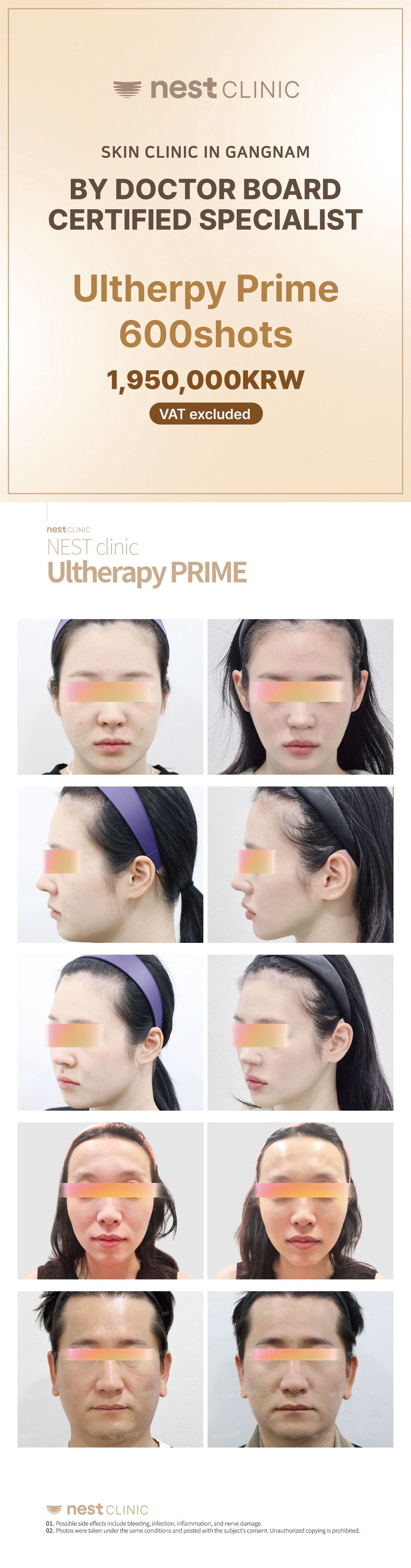
How Often Should You Repeat Ultherapy, Thermage and Other Lifting Treatments?

Many people repeat Ultherapy roughly every 12 to 18 months and Thermage FLX about every one to two years, while lighter HIFU and RF sessions are often repeated every few months. The right interval depends on age, laxity and how long your collagen response lasts, so it is usually set after your first result has fully developed.
Repeat Timing Follows the Collagen Cycle
Ultrasound and radiofrequency lifting treatments work by heating tissue enough to trigger repair and new collagen. That process is slow. Most of the visible change appears over two to three months, and some improvement can continue for several months after that. Repeating a deep treatment before the first result has peaked does not usually double the benefit; it simply adds heat to tissue that is still remodelling. For this reason, the most useful interval is often based on when your result has fully matured and then started to soften, rather than on a fixed calendar rule.
Typical Intervals by Treatment Type
The figures below are commonly discussed starting points, not rules. Your doctor may suggest shorter or longer gaps based on your skin and how strongly the previous session was done.
| Treatment | Energy | Commonly discussed interval |
|---|---|---|
| Ultherapy Prime | Microfocused ultrasound with visualisation | About 12 to 18 months |
| Thermage FLX | Monopolar RF | About one to two years |
| XERF | Monopolar multifrequency RF | Often six months to a year |
| Shurink and similar HIFU | Focused ultrasound | Often every few months |
| LinearZ | Linear focused ultrasound | Often several months apart |
Ultherapy Is Usually a Once-a-Year Style Treatment
Ultherapy Prime delivers microfocused ultrasound at set depths, using imaging to see the layers being treated. A full session tends to be thorough, with many lines placed at deeper levels, so the collagen response can last a long time. Many people return roughly once every year to year and a half, and some with good skin quality wait longer. Younger patients with mild laxity sometimes use it as occasional maintenance, while older patients with more laxity may prefer a regular annual rhythm. You can read more on our Ultherapy page.
Thermage FLX Often Has the Longest Gap
Thermage FLX uses monopolar radiofrequency to heat a broad volume of the dermis and deeper tissue. It is usually done as a single comprehensive session rather than a series. Many doctors suggest repeating it somewhere between one and two years, depending on how the skin looks once the first result has settled. Because heat spreads across a wide area, repeating too soon in thin or low-fat faces may raise the chance of unwanted volume loss. A longer gap gives the tissue time to recover and lets the doctor judge what a second session would add.
The best time to repeat a lifting treatment is when the result begins to fade, not when the calendar says so.
Lighter HIFU Sessions Are Repeated More Often
In Korea, many people use lighter focused ultrasound treatments such as Shurink as regular maintenance. These sessions are often done with fewer lines or lower energy than a full deep lifting session, which is part of why they are popular for short visits. Because each session is lighter, the effect can be shorter, so repeating every few months is common. This rhythm suits people who prefer gradual, steady support over one larger treatment. The trade-off is more visits, and each repeat should still be planned with your skin's response in mind rather than booked automatically.
Factors That Change Your Personal Interval
- Age and baseline collagen quality.
- How much laxity you had to start with.
- The intensity and coverage of the previous session.
- Sun exposure, smoking and sleep habits.
- Weight changes, which can shift facial support.
- Facial fat levels, especially in thin faces.
Signs It May Be Time to Return
It is often easier to judge timing by what you see than by the date. Common signs include the jawline beginning to blur again, slight heaviness returning near the mouth, crepiness reappearing under the eyes, or make-up sitting less smoothly on looser skin. Comparing photos from just after your result peaked with current photos taken in the same light is one of the clearest ways to decide. If changes are minor, waiting a little longer is reasonable. If they are clear, a repeat session can help maintain the shape you liked.
A Simple Way to Plan Your Maintenance
- Take baseline photos Before the first treatment, in steady lighting.
- Photograph the peak Around three months, when results have matured.
- Check every few months Compare against the peak photos.
- Note early fading Jawline, under-eye and lower cheek are common clues.
- Book a review Let the doctor decide on device and timing.
Combining Devices Changes the Schedule
Many people mix treatments, for example a deep ultrasound session once a year with lighter RF or HIFU in between. This can work well, but spacing matters. Heat-based treatments in the same area are usually separated by several weeks so the tissue is not stressed repeatedly. When a plan includes injectables such as skin boosters or fillers, the order and gap between them and energy devices should also be planned. A doctor who sees the whole calendar can avoid overlapping treatments and make sure each one is doing a distinct job.
Repeating Too Often Has Real Downsides
Over-treatment is a genuine concern with lifting devices. In thin faces, frequent deep heat may contribute to a hollow or gaunt look, particularly in the cheeks and temples. Repeated sessions on nerve-dense areas can raise the chance of temporary numbness or irritation. Skin can also become more sensitive, and the cost and time of frequent visits add up without proportional gain. If you notice your face looking leaner rather than lifted, mention it. A good plan may then shift towards volume support or longer gaps rather than more energy.
Waiting Too Long Is Not a Failure
If you miss your usual interval, nothing is lost. Collagen from earlier sessions does not suddenly disappear, and the skin simply continues its natural ageing. Returning after a longer break usually means treating the current level of laxity, which may need a slightly more thorough session. For many people, consistency over several years matters more than precise timing. Good sun protection, a healthy routine and sensible skin care help any lifting treatment last longer between visits.
Visitors Can Align Treatments With Trips
For people travelling to Korea, the treatment calendar often follows the travel calendar. A yearly visit fits naturally with deeper treatments such as Ultherapy or Thermage FLX, while those visiting more often may use lighter sessions in between. It helps to keep records of each session, including the device, areas and any reactions, so the next doctor can see exactly what was done. Our skin tightening page outlines the main options, and a doctor consultation is the right place to set a schedule.
Say this at your consultation
"I had Thermage about a year ago. Is it time to repeat, or should I wait?"
"I come to Seoul once a year. What maintenance plan fits that?"
"My face feels thinner after lifting. Should we change the approach?"
Frequently Asked Questions
Can I switch devices between sessions?
Yes. Many people alternate devices. The doctor considers the previous treatment, its depth and timing before choosing the next one.
Do results last longer after several sessions?
Some people feel maintenance becomes easier with regular care, but results still soften over time as ageing continues.
Is the second session usually less painful?
Not necessarily. Comfort depends on settings, numbing and your sensitivity on the day.
Should I repeat if I saw little change the first time?
Discuss it first. A different device, settings or a combined plan may suit you better than repeating the same treatment.
Can I start maintenance in my late twenties?
Some people do, using lighter treatments. Deep sessions are usually reserved for when laxity actually appears.
Not Sure When to Repeat Your Lifting?
Send us your recent photos and details of your last treatment. Our English-speaking team will help you prepare for a consultation.
Book Your ConsultationReferences
- Manufacturer information for Ultherapy and Thermage FLX — indications, treatment principles and patient guidance.
- Dermatologic Surgery — reviews of microfocused ultrasound and monopolar radiofrequency for skin laxity.
- American Academy of Dermatology — non-invasive skin tightening overview.
This guide was prepared and reviewed by our clinical team using publicly available dermatology information. It is general information, not medical advice.