What Is the Difference Between Deep Lifting and Surface Skin Tightening?
Deep lifting targets the supporting layers beneath the skin, especially the SMAS muscle-fascia layer, usually with focused ultrasound, to reposition and firm sagging tissue. Surface skin tightening heats the dermis, usually with radiofrequency, to contract collagen and improve crepey, loose skin texture. One works on the frame, the other on the fabric, and many faces need both layers addressed.
The Face Ages in Layers
A face is built like a stack. At the bottom is bone, then deep fat pads and ligaments, then a fibrous sheet of muscle and connective tissue called the SMAS (superficial musculoaponeurotic system), then the fat just under the skin, and finally the skin itself with its dermis and epidermis. Each layer changes with age at its own pace. Ligaments loosen, fat pads slide and the SMAS stretches, which lets the jowls and lower cheeks drop. At the same time the dermis thins and loses elasticity, so the surface wrinkles and creases. Lifting and tightening treatments are simply ways of delivering controlled heat to particular floors of this building.
Deep Lifting Works on the Supporting Frame
Deep lifting aims at the SMAS and the fibrous tissue around it, which sits roughly four to five millimetres below the surface on much of the face. This is the same layer a surgeon tightens during a facelift, although non-surgical devices only heat it rather than cutting and repositioning it. Focused ultrasound devices concentrate energy into tiny thermal points at a set depth while leaving the surface largely untouched. The heated tissue contracts, and over the following months the body lays down new collagen in the treated zone. The result is usually a subtle lift of the brow, jawline or lower cheek rather than a dramatic change.
Surface Tightening Works on the Skin Fabric
Surface tightening concentrates on the dermis, the collagen-rich layer that gives skin its thickness and spring. Radiofrequency devices pass an electrical current through the skin, and the tissue's natural resistance turns that current into heat. Collagen fibres shorten when heated and then gradually remodel. The visible effect is skin that feels firmer, looks smoother and creases less, with finer lines and pores often softening too. Because the energy spreads more evenly through the dermis and the fat just beneath it, these treatments suit loose, thin or crepey skin more than deep structural sagging.
Deep lifting repairs the frame of the face; surface tightening repairs the fabric stretched over it.
A Side-by-Side Comparison
| Deep lifting | Surface tightening | |
|---|---|---|
| Main target | SMAS and deep connective tissue | Dermis and upper fat layer |
| Usual energy | Focused ultrasound | Radiofrequency |
| Best for | Jowls, heavy lower cheeks, brow drop | Crepey skin, fine lines, mild laxity |
| How it feels | Deep, aching heat along bony areas | Spreading warmth across the surface |
| Result pattern | Gradual lift over months | Some early firmness, then gradual change |
Focused Ultrasound Devices Reach Deeper
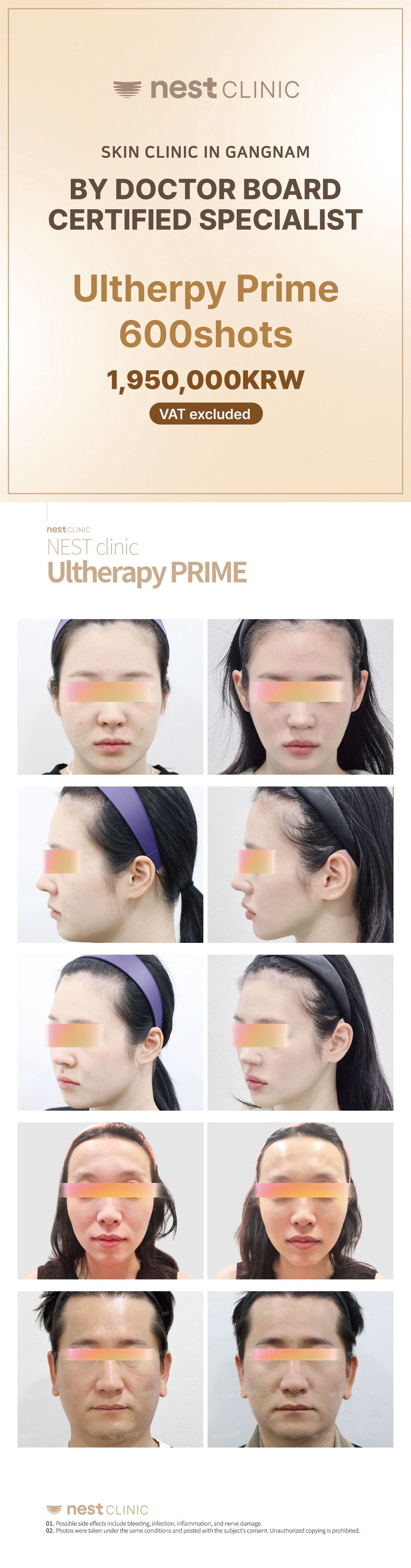
Micro-focused ultrasound, often called HIFU, uses transducers set to fixed depths, commonly around 1.5, 3.0 and 4.5 millimetres. The deepest setting is the one that reaches towards the SMAS. Ultherapy is the best-known example and includes real-time ultrasound imaging so the operator can see the layers before delivering energy. Korean devices such as Shurink and LinearZ use similar focused ultrasound principles with their own handpiece designs and delivery patterns. You can read more on our Ultherapy page. Because the energy is concentrated in points, treatment often feels sharp over bony areas, and doctors adjust line counts and depths around sensitive zones.
Radiofrequency Devices Work Closer to the Surface
Monopolar radiofrequency, such as Thermage FLX, heats a broad volume of dermis and the fibrous septa in the fat below, which is why it is described as tightening rather than lifting. Cooling protects the outer skin while the heat builds underneath. XERF is a Korean monopolar radiofrequency device that uses more than one frequency, described as multifrequency RF, to vary the depth of heating. RF microneedling, such as Potenza, places energy directly inside the skin through fine needles and leans even more towards texture, scars and pores. These devices sit on a spectrum, but all of them work mainly on skin quality rather than the deep frame.
How to Tell Which Layer Is Your Problem
- Lie back If the jawline sharpens a lot when lying down, deep sagging is likely.
- Lift with your palms Gently push the cheeks up and back; a big change points to the frame.
- Pinch the skin Thin skin that wrinkles finely when pinched points to the fabric.
- Check in side light Crepey texture and fine lines show the surface layer clearly.
- Confirm with a doctor An examination separates sagging, laxity and volume loss.
Most Faces Need Both in Different Proportions
It is unusual for only one layer to be ageing. A person in their late thirties may have firm skin but early jowls, which leans towards deep lifting. Someone with sun damage may have strong underlying structure but thin, crinkly skin, which leans towards surface tightening. Many people in their forties and fifties have some of each. A balanced plan might use focused ultrasound along the jawline and under the chin and radiofrequency across the cheeks and around the eyes. The proportion of each depends on what the examination shows, not on which device is newer or more talked about.
Combining Layers in One Plan
Because the two approaches heat different depths, they are often combined on the same visit or a few weeks apart. Doctors usually decide the order based on comfort, swelling and the areas being treated. Some prefer to address the deep layer first so the surface treatment refines a better-supported base. Others split the face, using one device where sagging dominates and another where texture dominates. Our skin tightening overview lists the devices commonly used. For a direct comparison of two popular options, see our post on Ultherapy versus Thermage.
What Neither Treatment Can Do
Neither deep lifting nor surface tightening replaces lost volume. If the cheeks look hollow or the temples have sunken, heating tissue will not fill them, and fillers or collagen stimulators may be more helpful. Neither treatment removes large amounts of loose skin either. When there is heavy excess skin, significant neck banding or very advanced sagging, energy devices tend to give a modest improvement at best, and a surgical opinion may be more honest. Knowing these limits helps you judge whether a device-only plan is realistic for your face.
Comfort and Downtime Compared
Deep lifting with focused ultrasound tends to feel more intense over the jawline, chin and forehead, where bone is close to the surface. Numbing cream and adjusted settings help. Mild swelling, tenderness or a tingling feeling along the jaw can last a few days, and occasional small bruises or temporary numbness have been reported. Surface tightening with radiofrequency usually feels like waves of heat followed by cooling, and many people leave with only slight redness. Both are generally compatible with travel, which is why they are popular with visitors to Seoul, but plan around swelling if you have important photographs.
When Results Appear
Some people notice a little tightness straight after either treatment, partly from swelling and immediate collagen contraction. The meaningful change comes later, as new collagen forms. With focused ultrasound, improvement often builds over two to three months and may keep refining for several months after that. Radiofrequency results follow a similar slow curve. This delay is normal and is one reason before-and-after photographs taken under the same lighting are so useful. Judging a lifting treatment in the mirror the next morning almost always underestimates it.
Before Your Lifting Consultation
- Take relaxed, front and side photos in daylight.
- Try the lying-down and pinch tests and note what changes.
- List previous lifting devices, fillers and thread treatments.
- Say which area bothers you most: jawline, cheeks, neck or eyes.
- Share your trip dates so swelling windows can be planned.
A doctor consultation is where the depth of your problem is confirmed before any device is chosen.
Say this at your consultation
"My jawline looks sharper when I lie down."
"Is my problem sagging, loose skin or both?"
"Which areas would you treat deep, and which near the surface?"
Frequently Asked Questions
Can surface tightening help jowls?
It may soften mild jowls by firming the skin, but more noticeable jowls usually respond better when the deeper layer is treated too.
Is deeper always better?
No. Treating too deep for a surface problem gives little benefit, and very thin faces may need gentler settings to avoid looking leaner.
Can I use both on the neck?
Often yes. Doctors commonly use shallower depths on the neck and avoid the area over the thyroid and major vessels.
Are results permanent?
No. The new collagen lasts a while, but natural ageing continues, so most people repeat treatment periodically.
Do these treatments affect existing filler?
Studies suggest the effect is usually small, but doctors still like to know where filler has been placed before choosing depths.
Not Sure Which Layer Needs Lifting?
Send us relaxed photos from the front and sides. Our English-speaking team will help you prepare for a lifting consultation.
Book Your ConsultationReferences
- Dermatologic Surgery — micro-focused ultrasound for lifting and tightening of facial and neck skin.
- Journal of the American Academy of Dermatology — review of non-invasive radiofrequency devices for skin laxity.
- Plastic and Reconstructive Surgery — anatomy of the SMAS and facial retaining ligaments.
This guide was prepared and reviewed by our clinical team using publicly available dermatology information. It is general information, not medical advice.